Tuesday, 29 November 2011

wide-angle lens (Photo imaging equipment and materials (205))

What is wide – angle lens? From a design perspective, a wide angle lens is one that projects a substantially larger image circle than would be typical for a standard design lens of the same focal length.
It refers to a lens whose focal length is substantially shorter than the focal length of normal lens for the image size produced by the camera.

Longer lenses magnify the subject more, apparently compressing distance and (when focused on the foreground) blurring the background because of their shallower depth of the field. Wider lenses tend to magnify distance between objects while allowing greater depth of field.
My images is maybe not the best examples, but surely you get the picture what I'm talking abut.

On the beginning of this course I get new addition to my photo equipment WIDE ANGLE LENS  Tamron's SP AF 10-24mm F3.5-4.5 Di. With the wide zoom this lens certainly looks like a tempting prospect for photographers in search of sweeping vistas. 


Manufacturer description: Wider and longer than others in its class, this compact, lightweight, high-performance lens for DSLRs with APS-C size sensors provides 35mm equivalent coverage from 16mm ultra-wide to 37mm semi-wide, a remarkable 2.4X zoom ratio. With a maximum coverage of over 108°, this state-of-the-art classic is the perfect solution for expanding your visual horizons.

Construction:
There are two different varieties of wide-angle lens: short-focus lenses and retro focus lenses.


~Cross-section of a typical short-focus wide-angle lens.
Short-focus lenses are generally made up of multiple glass elements whose shapes are more or less symmetrical in front of and behind the diaphragm. As the focal length decreases, the distance of the rear element of the lens from the film plane or digital sensor also decreases. 
 
~Cross-section of a typical retro focus wide-angle lens.
The retro focus lens solves this proximity problem through an asymmetrical design that allows the rear element to be further away from the film plane than its effective focal length would suggest. 


The basic comparison of impression between different types of lenses:
 
The image shows how different lenses affect the perspective. The wider the angle the shorter the stronger the difference in the sizes of the elements in the photograph.
  
One of the most interesting features of wide-angle lens is -the capability to stretch perspective- when you look through a wide-angle lens, it seems that the distance between objects has extended. The objects that were not so distant could appear too far away. And the proportion of objects dramatically increases, so the one that close to the camera look enormous, but those, which are father away almost, disappear in the distance.
 
 
When I bought this lens I didn’t quite understand how it works till I saw what it can do, how these lens make photograph complete different, how beautiful sky looks captured with wide angle lens. In one image you can capture such amount what human aye just not see. I still getting used to it as is a lot things need to be explored, but this lens is worth having, I would say essential for everyone interested in landscape photography.
The only downside probably for me is losing sharpness - if you have a wide angle zoom lens so is less sharpness at the very wide angle, especially with the widest aperture, which very hard to avoid. And also when I’m using a filters - filter holder on a widest setting applier in the edges - causing vignetting. But that’s something what you can’t avoid unless if you forget about filters, what is not a best of ides as the filter can transform any dull, plain day photograph into impressive image, but I will be closer discussing filters on my fallowing posts.
Returning to wide angle lens ability…I have only one thing to say…if you don’t have one - get one, even if it is pricey it`s worth to have.

Some useful sites to explore:
 

Wednesday, 23 November 2011

Seascape Photography

The sea is a place of great drama and moods. A photographer can’t control what will happen when shooting a seascape but can be observant and wait for the right moments. Unfortunately not always you have a time…two times over a two weekends I spend in Cornwall, but wasn’t lucky with weather…first time was two bright and sunny... clouds weren’t creating much drama. The second time was too cloudy and mostly grey sky. Even if I manage came back with same collection of images, they don’t not have that impact what you can get if your home town is by the sea and you are able every day watching sky and predict the mood of the rising morning or upcoming evening.


But even so everything else can be taken in consideration, even if time is not the best… you can try add the people in the shots, rocks, the boats or some buildings by the sea. 
Seascape is one of the most popular themes for a lot of professional landscape photographers. There is something magical about the combination of endless water and wide horizons. Plus if you manage to add a stunning sunrise, sunset, or cloud formation  you’re in business, but it’s not as easy as it seems…I learned it hard way…

L I G H T 

A good seascape photographer arrives at a scene early, and waits for the scene to unfold. Waiting patiently for changing colours and changing mood….
Vital to all of this is light - natural light and all the elements it brings to a scene…the best of it is golden hours.
There are three basic qualities of light: intensity, direction and colour.
  • Intensity: refers to the strength of light.
  • Direction: this refers to light placement.
  • Colour: colour of sunlight – it varies depending upon conditions and time of day.  

This is one of my best so far sea scene photograph…taken in evening around the sunset. I use option in my camera to change the colour at the scene… First is original, no much colour or contrast there, but adding some hint of blue in second image you can see how it can change complete mood of the scenery, same for the third, where I added a red tone. 

Colours in seascape photography depend on light available and also what time you shoot a scene, and where you place your camera.

Time and light come hand in hand. Using both together will most certainly bring out the best in your photographs, if not you have to be creative and use some digital manipulation options. 

V I E W P O I N T   

The glare of the sun on the water surface often makes seascape photography difficult so finding the right viewpoint is very important.

During early morning or later evening the amount of glare and reflections on the water surface will be reduced, so it`s comes handy. Paying special attention to lighting on rocks, mountains, or cliffs surrounding the seascape can lead to very good images.
When choosing a viewpoint for seascape photography need looking for a focal point of interest…its can be a lighthouse, rock formation, or any interesting landmark or formations of nature are great to use as focal points. The object of focus should be cantered to either the left or right side of the image. 

The best probably will be wide angled shots as will produce a better image. Myself, I tried all what I have, simple kit lens – for ordinary images, telephoto – for taking a closer look of interesting object and wide angle lens – trying to make image stand out and make a better impact from skyline.
Simple adjustments to your position can also change the viewpoint and increase the beauty of the photograph. Experimenting with moving the camera up or down, placing it to standing rock or kneeling down for another viewpoint can make dramatically changes and gives you more guaranty that you will come home at least with one good image.

T I P S  F O R  A  S E A S C A P E S

  • When photographing a seascape, there are a few tips you need to remember. If the body of water you are photographing is moving rapidly – have to use a slow shutter speed to emphasize the waters movement.
  • When taking photos of seascapes, it is best to use a lens hood, especially in areas with a large amount of reflection.
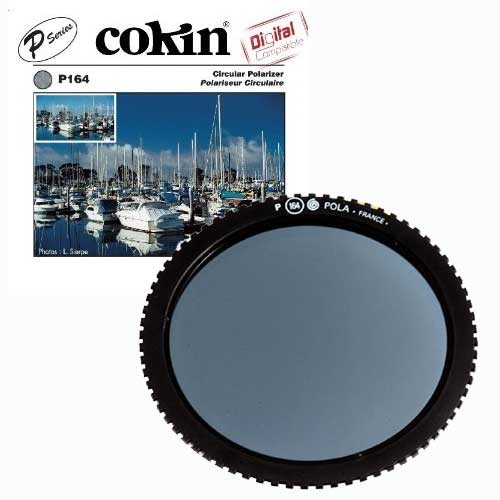
  • When photographing a seascape, it is a good idea to use a polarizing filter what very well enhances the colours of the sky and water. This filter will also reduce the amount of reflection on the water.

In internet you can find lots of useful guidelines, bet best of all, what I can honestly advise you is get out and practise.


Tuesday, 22 November 2011

RESEARCH

 PART 1 (Location Photography - Landscape)
John Freeman

Please to meet you another great photographer with familiar surname John Freeman…but even so it`s nothing to do with different John Freeman based in London author or of over 30 books..  Probably surname Freeman is more or less popular and how you can imagine successful…

John is a nature and landscape photographer based in northern Italy. He first became interested in photography as a teenager, but began photographing the natural world more seriously in the early 1990s sparked by a passion for plants and botany. For many years he used Velvia slide film but has recently been enjoying the creative freedom offered by digital cameras, combining macro photography and intimate landscapes with broader vistas captured with wide-angle and fish eye lenses. That’s why searching for some landscape professional’s I came across with him, as his photographs took my breath away. Even if you have to considering that is probably slightly digital manipulation involved. I have to say J.Freeman`s seascape’s is one of the best what I saw so far and it`s so close to what I want to achieve.

The perfect wave, heading towards to viewer, creating stunning black and white contrast between earth and water.
Very good example of using slow shutter speed. I’m not very successful of that, the best I can do to use a Bulb option to slow it down and released when I want. Works very well in the low light.
Nice scene of golden hour, it’s hard to tell its sunrise or sunset, but could be both. Looking this picture I almost can hear the waves as a photographer done a good job captured sea at its best time.
Same as previous photograph make you believe… Stormy sky and open water brings out all feel of that day.

His images makes beautiful composition with nice effect from slow shutter speeds… the mood and lighting is brilliant showing perfect contrast between motion and still.. bright and dark. Feel created by the moving water and the clouded sky is absolutely stunning.

In my images I also tried to get same feel and atmosphere, I didn’t consider they as a bad, but something slightly is missing, to get that impact what could compare with John`s photographs.

Photograph taken in late morning, when sun is already high, so no much contrast and colours there, but I like the silver light what surrounds that time Porthleven`s coast.
Praa Sands -located in the South West of Cornwall between Helston and Penzance is one of the finest beaches to be found in the UK. Photograph taken in the afternoon and not the best of weather, sky is dull, colours grey, but still I think this image have some potential after post-processing.
I like this photograph as it gives same sort of impression of up coming storm. Fortunately it was only big cloud.  Image is underexposed, to get that required result and it works well.
Lands End...magic place to be...Shot is on Bulb mode in very late evening, sunset filter adding good sense of sunset painting sky in warm colours.

Images are from my recent visit to Cornwall. I absolutely adore this place, with its wild sea scenery, changing weather and open space. Anyway I quite pleased with these images as they work well in composition wise.
As you can see I didn’t do any manipulation yet but improvements are needed…from adding a contrast, to structuration change.

For my final images I will do exactly that to make landscape stand out and work together with sea creating perfect photographs.


Tuesday, 15 November 2011

Photo imaging equipment and materials (205)

Introduction

This assignment is based on opportunity to demonstrate evidence of the use of a range of materials supported by efficient operating of photo-imaging equipment, producing a written account for a set of thematic images captured by me.


I’m still working with same sort of equipment as I was on Level 2 - My Nikon D3000 camera – kit lens, Tamron zoom lens and also same tripod. 

But even so - I have some upgrade in my photo bag - as recently I become  an owner of wonderful wide angle lens what cost me more than my camera, - Tamron SP 10-24mm. I will make separate post for it as also for my new Cokin Sunset filter and Cokin Polarizing filter.
 
As I don’t want to repeat myself this time in assignment I`ll be trying to pay more attention for my new improvements only and what kind of advantage’s and disadvantage’s I found to using them.


RESEARCH

PART 1 (Location Photography - Landscape)
Michael Freeman
In order to understand how to capture the beauty of the world around you have to take some advantage of professional photographer Michael Freeman, who with many years of experience can learn how to frame the perfect shot.

Michael Freeman - professional photographer and author, with more than 100 book titles to his credit, was born in England in 1945, took a Masters in geography at Brasenose College, Oxford University, and then worked in advertising in London for six years. He made the break from there in 1971 to travel up the Amazon with two second hand cameras, and when Time-Life used many of the pictures extensively in the Amazon volume of their World's Wild Places series, including the cover, they encouraged him to begin a full-time photographic career.

Capturing the scene before you - be it a natural landscape..a dramatic cityscape or a majestic wild animal, can be a daunting prospect. Unlike portraiture or still life, you have very little control over the scene before you so you need to draw on other skills to get a professional result.

M.Freeman in his works giving everyone tips and advice on all aspects of outdoor photography, from how to photograph shots of birds in flight to capturing the Atlantic Ocean crashing into a lighthouse. Because in order to photographing natural landscapes you need to know how to deal with various types of sunlight and weather and how to make them work with you in creating memorable results.

More or less all digital photography is based on after image manipulation, and very rare cases you can escape that…For me unfortunately is very painful as I am perfectionist, but well I have to give it a credit, as in various computer software’s can do something what cant be done just by capturing a scene.

A stormy sunrise over a bleak moorland scene in Cornwall

Evening in Porthelven (Cornwall)

Above you can see beautifully captured and created M.Freman`s photograph, what inspire me to try something similar. Well not on that kind of level as I can`t consider myself to be even close to that. Look at those clouds, perfect magic hour shot – intuitive done, showing peace of that calm, rising day.


Mine was taken and early evening when sun just about disappeared in clouds…scene is a bit boring, but added contrast touch and Vignette tool makes it little comforting – hopefully.
Also I try to work with Curves tool In Photo Shop – make the image look more underexposed as it originally was.

I get that idea from one tutorial site, when M.Freeman was describing techniques of low key.

LOW KEY - choosing a subject that lends itself to a dark treatment, followed by processing the file to favour the shadows and darker tones.

Quite often, the dark mood of low key is easier to achieve if you convert a digital colour image into black and white, what exactly I did — monochrome images usually withstand extreme processing or post-production more successfully than does colour and somehow they work better.

Also quite interesting for me was tutorial about The Appeal of Many.   The idea  is  to filling the frame with a large number of interesting and similar, or even identical, subjects massed together in some kind of pattern, That’s it in summary, a condensed description, but if we look at all the elements that go to make it up, there’s a surprising amount of camera work to achieve it. 
And this is what I love the most…patterns…as you can see from my previous blogs and posts I adore that kind of photography- captivate all in one frame.
Mine two last images taken in Cornwall maybe are not the best examples, but its shows the similarity of ideas from M.Freman`s Marseille - Old port or Pearl harvest.

Getting new ideas from those tutorials, inspirations from M.Fremans work was very useful  ... hope you -the reader find it too.

Below I listed his books and referenced sites what can help you.


Photography books:
  • Athens (Time-Life, 1978),
  • Guardians of the North-West Frontier: The Pathans (Time-Life), 1982, Wayfarers of the Thai Forest: The Akha(Time-Life, 1982,)
  • Angkor: The Hidden Glories (1990,)
  • The Photographer's Eye: Composition and Design for Better Digital Photos
UK (ILEX, 2007) US (2007,)
  • Michael Freeman's Perfect Exposure
UK (ILEX, 2009,) US (2009,)
  • The Photographer's Mind: Creative Thinking for Better Digital Photos
UK (ILEX, 2010,) US ( 2010,)
Books on Asia
  • Ricelands: The World of South-east Asian Food (Reaktion Books, 2008)
  • The Spirit of Asia: Journeys to the Sacred Places of the East (Thames & Hudson, 2000,)
  • "New Zen, The tea-ceremony room in modern Japanese architecture" (Eight Books, 2007,) and many others
Books on Africa
  • Sudan: The Land and the People (Thames & Hudson, 2005). This book was accompanied by a 70-print exhibition, mounted by, Washington DC, a non-profit public diplomacy institution, which organised the exhibit to tour the US for three years.
Books on Interiors 
  • "The Source - Inspirational ideas for the home" (Eight Books, 2009,)


Tuesday, 8 November 2011

London Calling...

Recently I had a chance to spend weekend in London. Well that trip was planned for ages with my previous course mates. The main purpose was Night photography…well that didn’t go well – unfortunately… But no matter what I finally find my area in photography what really suits me and gives me more pleasure that everything else…and its focusing on details…not panorama or landscape view…not portraits particularly…but some sort of weird way search for patterns and details, lines and shapes, what some of us will just passing by...


Same how I found that I like capture not a whole scene but just a detail of it…don’t really know how to call that, but this is probably what I want to people focusing on…if landscape, street, architectural or even portrait photography you have to think where to place main focus point that easily will bring viewers’ attention in my photographs as you can see the main subject includes all scene, cropping off everything else.


~W. Eugene Smith~ American photojournalist and photographer once said…”The world just does not fit conveniently into the format of a 35mm camera”…so probably in my case its absolute truth as I really enjoy capture a little, best peace’s  from this world.


Color and Light

 B o o k  R e s e a r c h

Every of us are familiar with a light as a meaning of brightness, glow, radiance, shine etc…and as a main provider of it is our sun. But not everyone probably ever thought about variations of light…many different ways how light what we see travels to us and that every time light changes. 

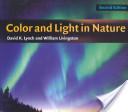
Why is the sky blue… Why do mountains glow in the dark… Is the darkest always before the dawn… An ideal reference to have to hand in answering questions such as these I found in  Color and Light in Nature, -book written by astronomers D.K Lynch and W.Livingston.
Most people notice only the occasional rainbow and pretty sunset, yet they could see much more if they only knew what to look for…and that’s what this book is all about…


Also everything you need to know to understand the characteristics of light and the foundations of photographic lighting, including film, filters, exposure, compensation, zone system and an array of creative techniques can be found in a similar source- book: Photographic Lighting: Essential Skills  by Mark Galer and John Child.
The authors use terminology that is easy to understand and explain techniques in a clearly written, no nonsense manner and to help improve the use of light in photography and encourage visual expression.  A variety of activities and assignments throughout the book teach lessons in a creative context that can be applied immediately to develop the professional in you.


And at least but not last… Transient Light: A Photographic Guide to Capturing the Medium students and amateur photographers who wish to break into the professional market, the superb images and technical expertise offer something for all levels of skill and will also inspire those just becoming interested in photography and more established photographers who need to refocus their photographic motivation.
Composition and technical expertise are vitally important and author outlines the best field techniques for choosing the correct exposure, discusses depth of field, hyper-focal focusing, exposure bracketing and the use of appropriate filters.